
Electric bikes, or e-bikes, have become increasingly popular in recent years, offering a blend of traditional pedaling and electric power. These innovative bicycles have transformed the way we think about cycling, making it more accessible and enjoyable for a wider range of people. One of the most common questions about e-bikes is regarding their speed capabilities. How fast can these electric bikes go, and what factors affect their top speed? In this article, we’ll delve into the world of e-bikes to understand their speed limits, classification, and the various factors that contribute to how fast they can go.
The Basic Mechanics of Electric Bike
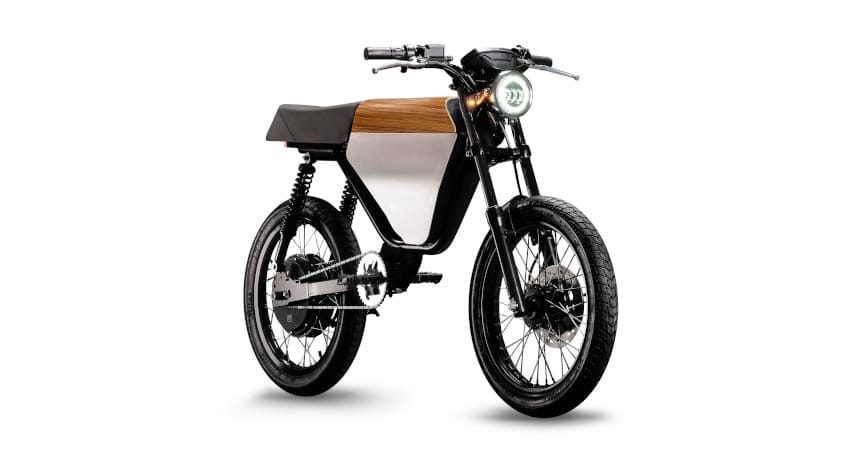
At their core, electric bikes are similar to traditional bicycles but are equipped with an electric motor that offers additional power. This electric assistance can be activated either through a throttle located on the handlebars or through pedal-assist systems. The motor power, along with the rider’s pedaling, influences the bike’s speed. However, it’s important to understand that ebikes also have maximum speed limits set by regulations and their design.
Understanding How Fast do Electric Bikes go
Speed Capability of Different E-Bike Classes
E-bikes are generally categorized into three classes based on their speed capability and how the electric power is activated:
- Class 1 Electric Bikes: These are pedal-assist bikes where the motor only engages when the rider is pedaling. The maximum assisted speed is limited to 20 mph. This means that the electric assistance cuts off once you reach 20 mph, though you can still pedal to potentially go faster.
- Class 2 E-Bikes: These ebikes offer both throttle and pedal assist. Like Class 1, their speed is also limited to 20 mph. The throttle allows riders to engage the motor power without pedaling, making them a popular choice for those looking for less effort in their commute.
- Class 3 Electric Bikes: Class 3 ebikes are the fastest class, primarily designed for more experienced riders. They can reach a maximum speed of 28 mph with pedal assist. However, they do not have a throttle mode.
Legal Speed Limits and Where You Can Ride
The classification of e-bikes also determines where you can legally ride them. For example, Class 1 and Class 2 ebikes are often allowed on bike paths and in areas where traditional bikes are permitted. In contrast, the higher speeds of Class 3 e-bikes may restrict them from certain paths and require adherence to stricter regulations.
Factors Affecting an e-bikes Speed
Motor Power and Battery Capacity
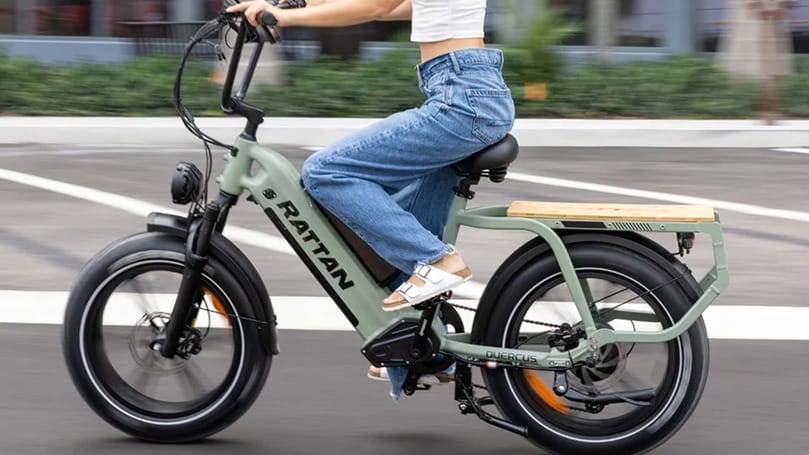
The speed of an electric bike is significantly influenced by its motor power, usually measured in watts. A more powerful motor can help the ebike reach higher speeds, especially when climbing hills or carrying heavier loads. Additionally, the battery capacity plays a role in how long you can maintain higher speeds. Larger batteries allow for longer rides at maximum assisted speeds.
Rider Input and Terrain
The speed capability of an e-bike is not just about the motor and battery. The rider’s input, such as pedaling effort, and the terrain also play a crucial role. On flat surfaces, reaching higher speeds is easier, while hilly areas may require more power and reduce the overall speed.
Bike Design and Aerodynamics
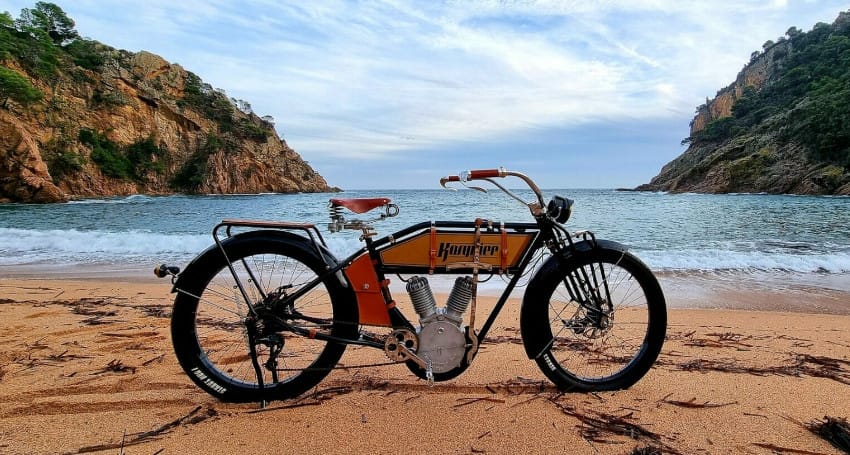
The design of the ebike, including its weight, tire type, and aerodynamics, can also affect how fast it can go. Lighter bikes with more aerodynamic designs will generally be faster. Additionally, the type of tires can influence speed and efficiency, with smoother tires being better suited for higher speeds on paved surfaces.
Comparing Electric Bike Spee to Traditional Bikes
When compared to traditional bikes, ebikes offer the advantage of higher speeds with less effort, particularly beneficial for longer commutes or for riders who may need extra assistance. While a regular cyclist may average speeds of 10-15 mph on a conventional bike, ebike riders can easily maintain speeds of 20 mph or more, depending on the class of bike and level of effort.
The Future of E-Bike Speeds
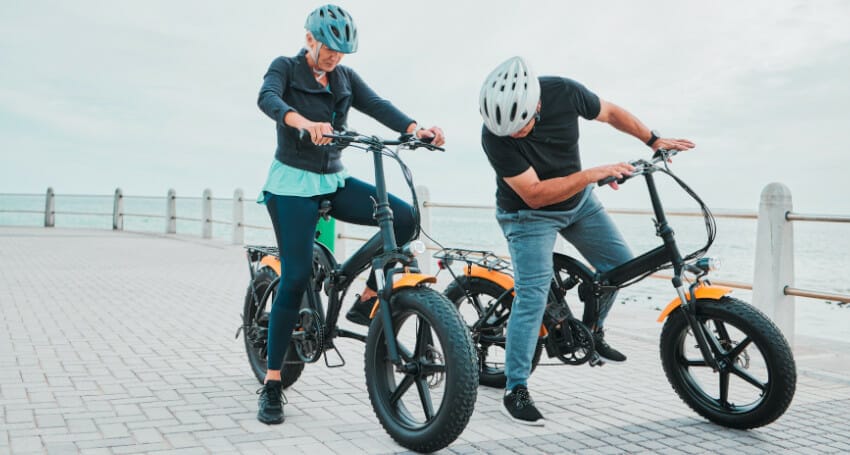
As technology continues to advance, we may see even faster electric bikes with more efficient motors and batteries, further blurring the lines between bicycles and motorized vehicles. However, it’s important to consider safety and legal regulations, which will likely evolve alongside these advancements.
Conclusion
E-bikes represent a fascinating blend of traditional cycling and electric power. Understanding the different classes, motor power, and other factors that affect an e-bike’s speed can help potential riders make informed decisions. Whether you’re looking for a speedier commute, a leisurely ride with less effort, or something in between, there’s likely an ebike that fits your needs. As the popularity of electric bikes continues to grow, so does our understanding and appreciation of their capabilities and limitations.


