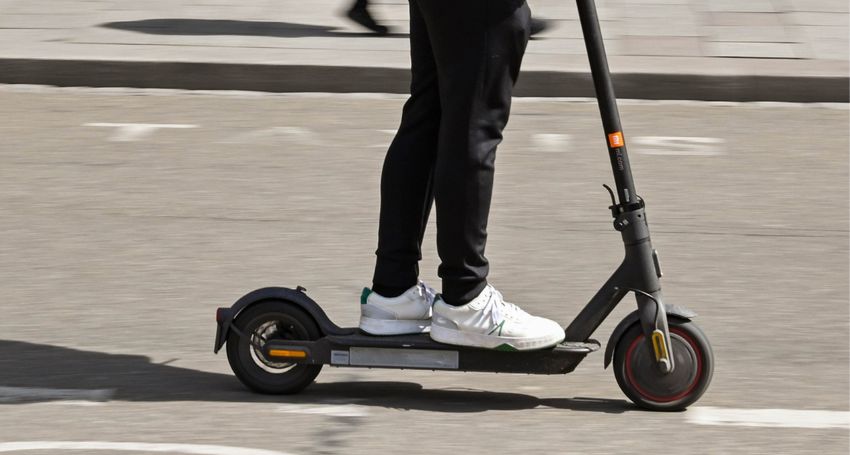
Electric scooters have become a popular mode of transportation in urban areas, offering a convenient, cost-effective, and eco-friendly alternative to traditional vehicles. As cities grapple with pollution and greenhouse gas emissions, electric scooters present a possible solution to reduce the environmental impact of daily commutes. This guide explores how electric scooters impact the environment, their benefits and challenges, and how e-scooters contribute to a more sustainable future.
What Makes Electric Scooters Eco-Friendly?
Electric scooters are often hailed as an eco-friendly mode of transportation due to their zero tailpipe emissions and efficient energy use. Unlike cars, which rely on combustion engines that emit carbon dioxide and other pollutants, electric scooters operate on rechargeable batteries, making them a cleaner option for city travel. The fraction of energy electric scooters require to travel the same distance as a car significantly reduces their environmental impact, positioning them as a greener alternative in urban areas.
How Do Electric Scooters Reduce Carbon Emissions?
Electric scooters emit no tailpipe emissions, meaning they don’t contribute directly to carbon emissions while in use. Traditional vehicles release greenhouse gases like carbon dioxide, a major contributor to global warming. By offering a zero-emission option, electric scooters help reduce the environmental impact associated with urban transportation. When e-scooters replace car trips, they prevent additional carbon emissions, making each ride a small step toward a lower carbon footprint.
Environmental Impact of Electric Scooters
While electric scooters have environmental benefits, their production, especially the manufacturing and disposal of lithium-ion batteries, still has an impact. Battery production requires mining rare minerals, which can be environmentally damaging. Additionally, the environmental impact of e-scooters includes waste from the disposal of batteries that are not recycled effectively. However, advancements in sustainable materials and recycling processes are helping reduce the overall environmental footprint of electric scooters.
Shared E-Scooters vs. Personal Electric Scooters
Shared e-scooters and personal electric scooters each have unique environmental impacts. Shared e-scooters, widely available in urban areas, reduce the number of cars on the road, which in turn lowers carbon emissions. However, they require regular maintenance, collection, and distribution to keep them available for users, often leading to higher emissions from vehicles involved in this process. Personal electric scooters may have a smaller overall impact, as they don’t require the same level of maintenance logistics.
Reducing Noise Pollution with Electric Scooters
Unlike traditional vehicles, electric scooters are much quieter, contributing to less noise pollution in urban areas. The quiet operation of e-scooters makes them a good fit for crowded cities, creating a more peaceful environment. Reducing noise pollution not only improves the quality of life in urban areas but also lessens stress and disturbance for city residents, making electric scooters a win for public health and well-being.
Can Electric Scooters Replace Car Trips?
Electric scooters are particularly useful for replacing car trips over short distances. Many users find that e-scooters are a convenient and eco-friendly way to travel to nearby destinations, cutting down on car trips and reducing fuel consumption. When car trips are replaced by e-scooters, especially for urban commutes or quick errands, the collective reduction in emissions contributes to a significant environmental benefit over time.
The Role of Electric Scooters in Improving Urban Air Quality
Electric scooters play a role in improving urban air quality by reducing emissions associated with car travel. Since they emit zero tailpipe emissions, they don’t contribute to air pollution in the same way traditional vehicles do. Better air quality is crucial in cities struggling with pollution, as it leads to fewer health issues related to respiratory problems, providing a cleaner environment for all.
Challenges of Scooter-Sharing Systems
While scooter-sharing programs are convenient, they come with environmental challenges. Scooter collection and distribution require vehicles to gather and redistribute the e-scooters, contributing to emissions. However, some companies are implementing more sustainable practices, such as using electric vehicles for collection or optimizing routes to minimize the environmental impact. Reducing the carbon footprint associated with scooter sharing will be essential for making these systems truly eco-friendly.
Using Renewable Energy to Power
Charging electric scooters with renewable energy sources, such as solar or wind power, can make them even more environmentally friendly. Cities can install solar-powered charging stations to reduce reliance on fossil fuels and further lower the carbon footprint of electric scooters. Transitioning to renewable energy for charging is a key step in maximizing the eco-friendly potential of electric scooters as a sustainable transportation option.
How to Make Electric Scooters More Eco-Friendly
Improving the environmental impact of electric scooters involves adopting practices like battery recycling, promoting scooters with swappable batteries, and extending the lifespan of scooters. By focusing on eco-friendly materials and designs that require less maintenance, manufacturers can reduce waste and emissions over time. Encouraging consumers to use electric scooters for short trips rather than cars can also increase their positive environmental impact, promoting sustainability on a personal level.