
The Dawn of a Renewable Era: Solar and Battery Storage Lead U.S. Capacity Additions in 2024
The United States is on the brink of a renewable energy revolution, with 2024 poised to be a defining year in the nation’s energy transformation. The driving force behind this shift is the massive influx of new utility-scale solar and battery storage facilities across the country, accounting for an unprecedented 81% of all new electric generating capacity. This surge in clean energy projects represents not only a strategic move towards sustainability but also a robust response to the increasing demands for green power.
A Solar Surge Like Never Before
Solar energy is at the forefront of this revolution. The U.S. Energy Information Administration (EIA) projects an addition of 36.4 gigawatts (GW) of utility-scale solar power in 2024 alone. This remarkable figure is nearly double the previous year’s record-setting increase, driven by an easing of supply chain constraints and a softening of trade barriers that previously hampered growth.
This unprecedented expansion is geographically diverse, yet it’s concentrated significantly in states that have shown a strong commitment to embracing solar power. Texas is leading the charge with an expected 35% of new capacity, while California and Florida follow with 10% and 6%, respectively. Notably, the Gemini solar facility in Nevada is set to become operational, boasting a 690 MW solar farm paired with a 380 MW battery storage system — establishing it as the largest solar farm in the nation.
Battery Storage: Powering the Future
Battery storage technology is an integral component of this energy transition, providing a solution to one of renewable energy’s most significant challenges: intermittency. In 2024, it is anticipated that developers will add 14.3 GW of battery storage capacity, nearly doubling the existing capacity to a total of 29.8 GW. Such growth not only signifies a technological leap forward but also underscores the importance of storage in enabling a consistent and reliable energy supply from renewable sources.
The Role of Wind Power
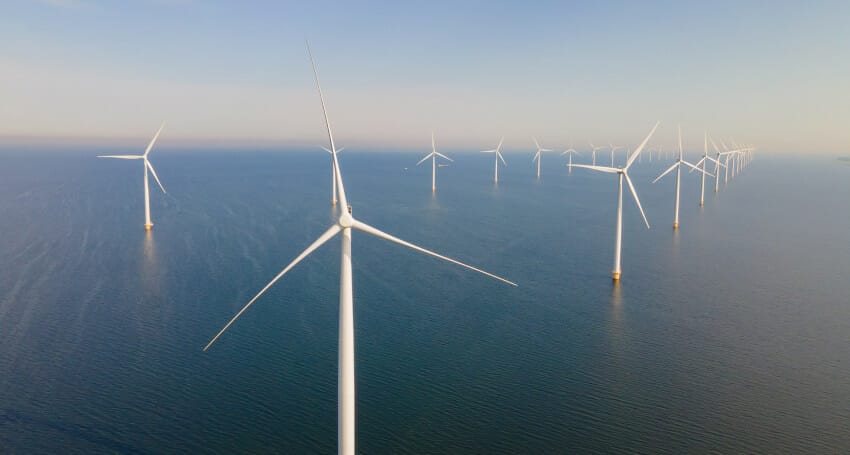
While solar and battery storage capture the spotlight, wind power continues to play a crucial role in the country’s energy portfolio. The EIA expects an addition of 8.2 GW of wind capacity in 2024, marking a continuation of robust growth despite recent slowdowns. Noteworthy projects include Vineyard Wind 1 off the coast of Massachusetts and South Fork Wind off New York — significant milestones that cement wind power’s place in America’s clean energy future.
A Diminishing Role for Fossil Fuels
Reflecting on the broader energy landscape, it is clear that renewables are gaining ground at the expense of fossil fuels. The projected new natural gas capacity for 2024 is set at 2.5 GW, which will be the smallest addition in a quarter-century. This trend indicates not only a shift in investment and policy but also a changing attitude towards energy production that favors sustainability and environmental stewardship.
Conclusion
As we look ahead to 2024, the message is clear: renewable energy sources, particularly solar and battery storage, are set to dominate the U.S. electric generating capacity additions. This shift towards cleaner energy sources heralds a new era for the American energy sector — one that promises economic growth, energy independence, and significant environmental benefits. With these advancements, we are witnessing the dawning of a brighter, more sustainable future for all.
The transition to renewable energy is accelerating at a pace unseen before, with implications far beyond just our electric grids. It represents a profound shift in how we power our societies, promising a future that is not only greener but also more resilient and equitable. As we embrace these changes, we stand on the cusp of realizing a vision for an energy system that can sustain our planet for generations to come.


